LMS Platform Comparison: AcademyOcean, Canvas, Moodle, TalentLMS and Docebo
A detailed comparison of the most popular LMS platforms — by features, AI capabilities, cost, and use cases
Book a demoA detailed comparison of the most popular LMS platforms — by features, AI capabilities, cost, and use cases
Book a demo
AcademyOcean, Canvas, Moodle, TalentLMS, Docebo — each of these platforms is a leader in its own segment. So the real question in a comparison isn’t “which one is best,” but “which one fits your task, and at what actual cost.”
In this article — an honest breakdown of each platform by its strengths, limitations, and real cost of implementation.
AcademyOcean — a business-focused platform built around fast launch, AI-driven automation, and flat pricing with no per-learner fees.
G2: 9.9/10 overall, 9.8/10 ease of use, 9.8/10 quality of support, 9.5/10 ease of setup. Capterra: 4.9/5.





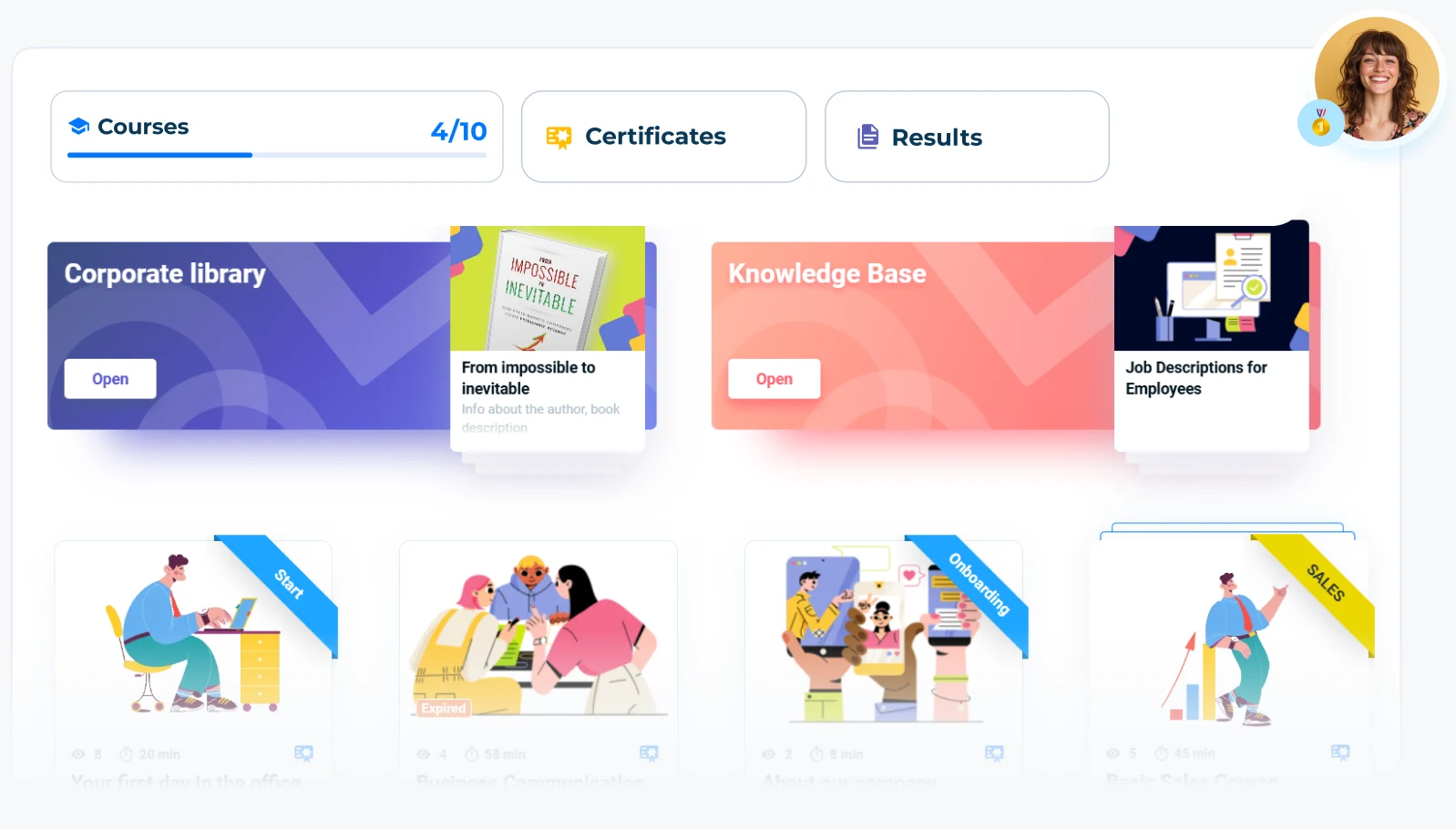
You can create an academy, add your first course, and assign it to your team the same day the HR manager signs up.
99% answer accuracy against the corporate knowledge base, up to 50% less time spent on training, support for many languages, and integration with the company’s business tools.
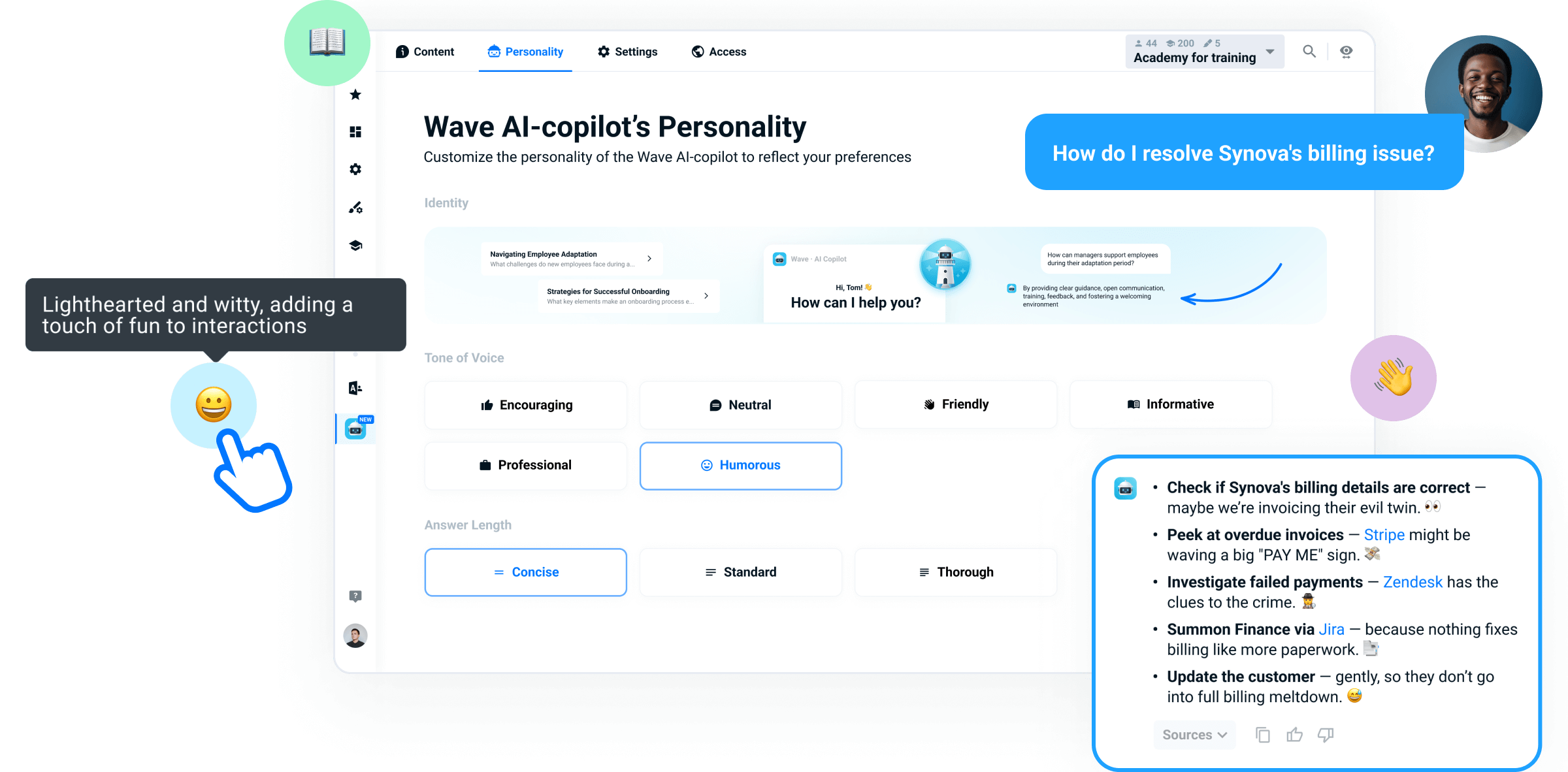
Beyond Wave Copilot — an AI lesson builder, AI-powered test creation and smart test import, an AI assistant for grading assignments, and an AI analyst. Content creation, assessment, and analytics are automated within a single platform, with no need to buy separate modules.
Loxone uses AcademyOcean to train and test 10,000+ partners. Ajax built its own academy on the platform in just a few weeks.
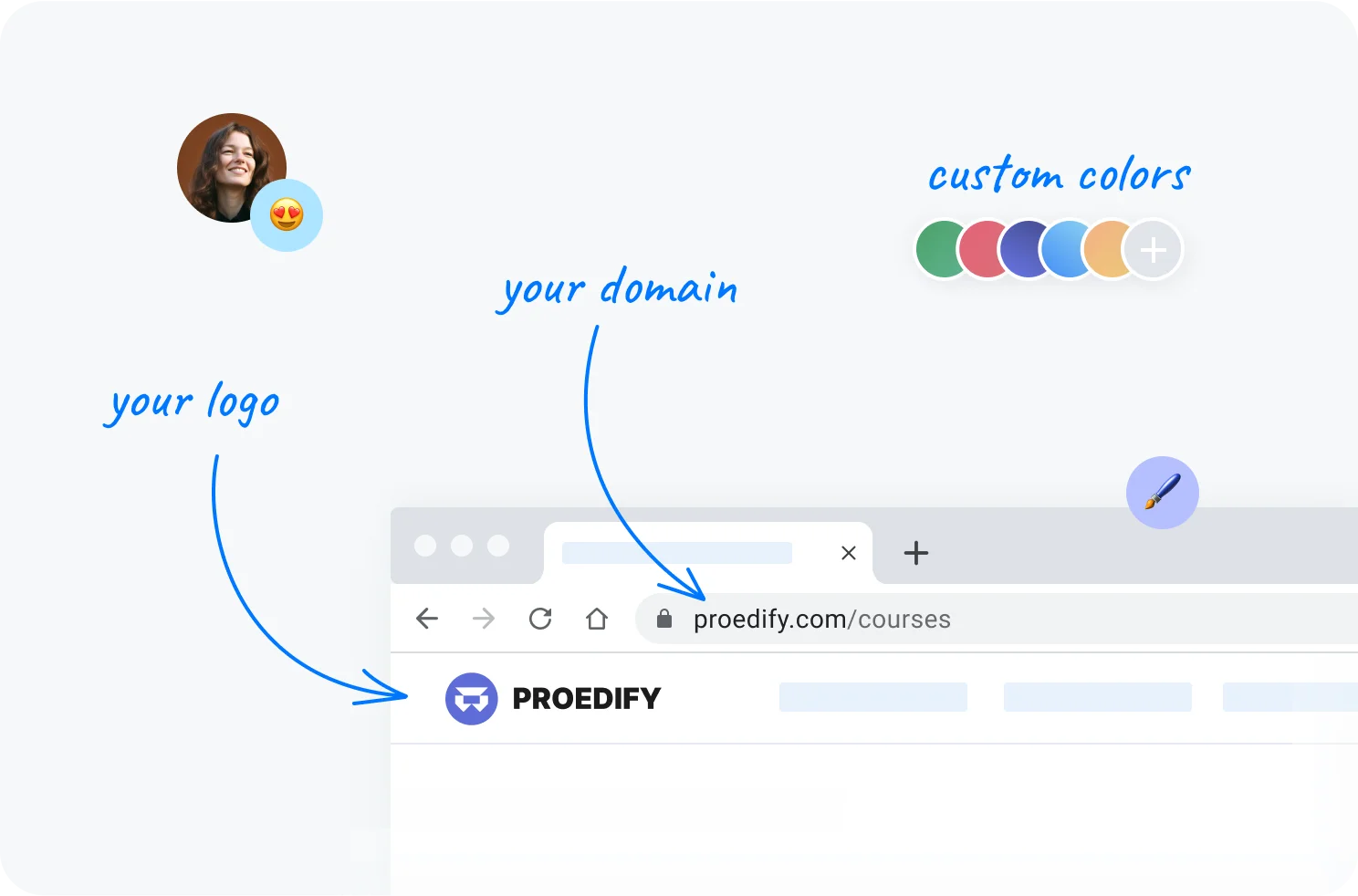
Each academy is its own brand, domain, interface language, and set of administrators. The AI editor localizes content without manual translation.
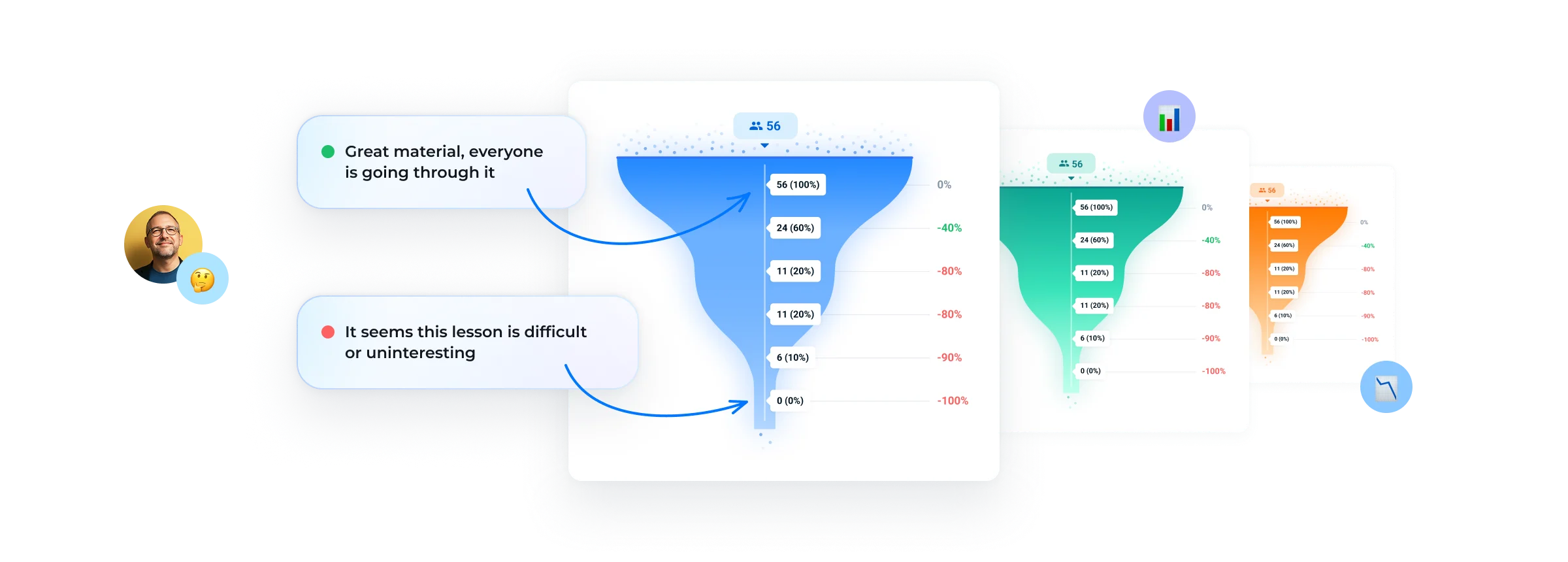
The feature shows the exact points where learners drop a course and don’t come back — so the team understands not just “didn’t finish,” but why.
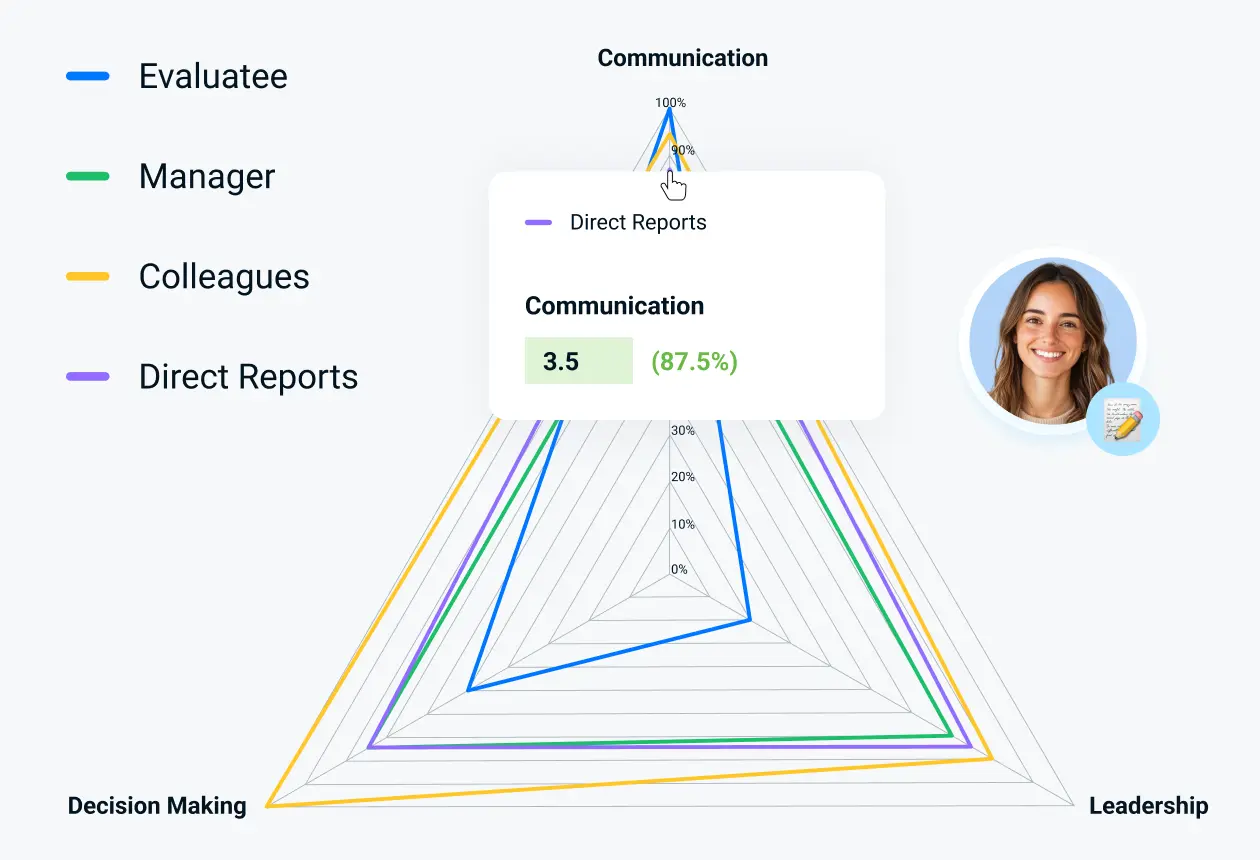
Exams with manually weighted questions, 360° assessment, the Hotspot Choice question type, a question library, tags, and answer-based variables. A tool for genuine competency certification, not just “pass / fail.”
GDPR, SAML/SSO, Microsoft Entra ID integration, two-factor authentication, regional access security, dedicated servers, and white labeling. Serious enterprise-grade security without moving to a pricier platform.
Connect to CRM, HR, ERP, and corporate portals through a flexible API, webhooks for instant syncing of progress and activity, SSO, AI translations (DeepL), and — via Zapier — over 8,000 services. Automating routine tasks cuts administrative load by 75% and saves admins up to 15 hours a week. Learning data flows into Power BI in real time — so you can measure effectiveness against business KPIs and ROI, rather than evaluating training in isolation from results.

Companies with 100 to several thousand learners — in retail, finance, franchise and network businesses, distribution networks, and tech companies that need to train not only employees but also partners or customers. Especially where speed of launch matters, along with AI tools for content creation and the ability to run several academies under different brands.
Canvas — a platform by Instructure, built primarily for the education sector: universities, colleges, and schools. The most widely used academic platform in North America.
Deep educational functionality: course structure organized by academic year, integration with student information systems, and built-in tools for assignments, peer review, and academic grading. In 2026, Instructure launched three product editions — Canvas Core, Canvas Plus, and Canvas Next — with AI features in the Plus and Next editions.
Canvas isn’t built for typical corporate tasks — onboarding new employees, sales enablement, or regulatory compliance. For corporate learning, Instructure offers a separate product — Bridge, built on the same technical foundation but with a different pricing model. A company that picks Canvas “for everything” usually runs into the need to move to Bridge or another platform fairly quickly.
An institutional model with no public pricing — negotiated individually.
Moodle — the world’s best-known open-source LMS. Free to license — but that’s the least reliable indicator of the real total cost of ownership.
Flexibility and control over your data that most commercial platforms can’t match. Hundreds of plugins, full access to the code, your own infrastructure. For universities, the public sector, and research institutes with a “data never leaves our infrastructure” requirement — it’s the logical choice.
Deploying and maintaining Moodle requires a technical team: server setup, databases, security certificates, and regular updates. By independent estimates, stable operation takes anywhere from a quarter to a full-time system administrator — $19,000 to $75,000 a year on staff alone, not counting infrastructure.
Universities, the public sector, and IT-first organizations with a team ready to administer the system.
One of the fastest platforms in terms of time from sign-up to first course. There’s a free plan for teams of up to 5 users; paid plans start at $119 per month with annual billing. The TalentCraft AI tool helps generate text-based and structural course content.
Its AI mostly covers content generation — without search across a corporate knowledge base or a conversational assistant. Detailed reports are available starting with the Plus plan. Multi-brand support, deep integrations, and advanced analytics are Enterprise-only.
Docebo positions itself as an AI-at-the-core platform for large organizations.
Deep functionality for large companies: multi-brand support, partner and customer training, broad integrations with HR systems and CRM, and powerful analytics.
The highest price among the platforms reviewed. The entry-level Elevate plan starts at $7 to $10 per active user per month. For a company with 500 learners that’s $42,000 to $60,000 a year — before implementation costs and add-on services. The minimum annual contract starts at $25,000.
| Criterion | AcademyOcean | Canvas | Moodle | TalentLMS | Docebo |
|---|---|---|---|---|---|
| G2 rating | 9.9 / 10 | 9.1 / 10 | 8.4 / 10 | 9.3 / 10 | 9.1 / 10 |
| Ease of use (G2) | 9.8 / 10 | 8.7 / 10 | 7.7 / 10 | 9.1 / 10 | 8.7 / 10 |
| AI content author | ✅ Wave (built-in) | ⚠️ Plus / Next tiers | ❌ | ⚠️ TalentCraft (text only) | ✅ Shape AI |
| AI knowledge-base assistant | ✅ Wave Copilot (99% accuracy) | ❌ | ❌ | ❌ | ⚠️ Basic |
| Launch speed | Day of sign-up | Weeks–months | Months (self-host) | 1–3 days | 2–4 months (full: 6–12) |
| Multi-brand / multi-academy | ✅ | ⚠️ Via Bridge | ✅ | ⚠️ | ✅ |
| Interface languages | 100+ languages | Limited | Large community of localizations | ~30 languages | ~40 languages |
| Corporate training | ✅ | ⚠️ Only via Bridge | ✅ | ✅ | ✅ |
| SCORM / xAPI | ✅ | ✅ | ✅ | ✅ | ✅ |
| Local Ukrainian-language support | ✅ | ❌ | By community | ❌ | ❌ |
All G2 ratings and pricing data are from public sources as of 2026.