How to choose an LMS for your business?
We break down what to look for when choosing a learning management system so the platform truly helps you scale training instead of creating additional processes and costs
Book a demoWe break down what to look for when choosing a learning management system so the platform truly helps you scale training instead of creating additional processes and costs
Book a demo
Choosing an LMS is a strategic decision for any company. It directly impacts the speed of onboarding new employees, the quality of team training, and the efficiency of HR and L&D teams.
Today, there are dozens of platforms on the market: from open-source systems to enterprise solutions with extensive integrations. But the difference between them often lies not only in features, but also in ease of implementation, process automation, and real business value.
To choose the right LMS, it’s worth going through a few simple steps.
Before comparing LMS platforms, it’s important to understand why your business needs one. Most commonly, companies use LMS for:
You should also answer a few basic questions: who will take the training: employees, clients, or partners; how many users will use the system; whether you need automated course assignment; and whether you plan to scale training in the future.
These answers help determine how flexible and scalable your LMS should be.
Not all LMS platforms are equally useful for business. Many systems have numerous features, but not the ones truly needed for corporate training.
Here are the key capabilities to focus on.
Allows you to create lessons, course structures, and test questions in minutes.
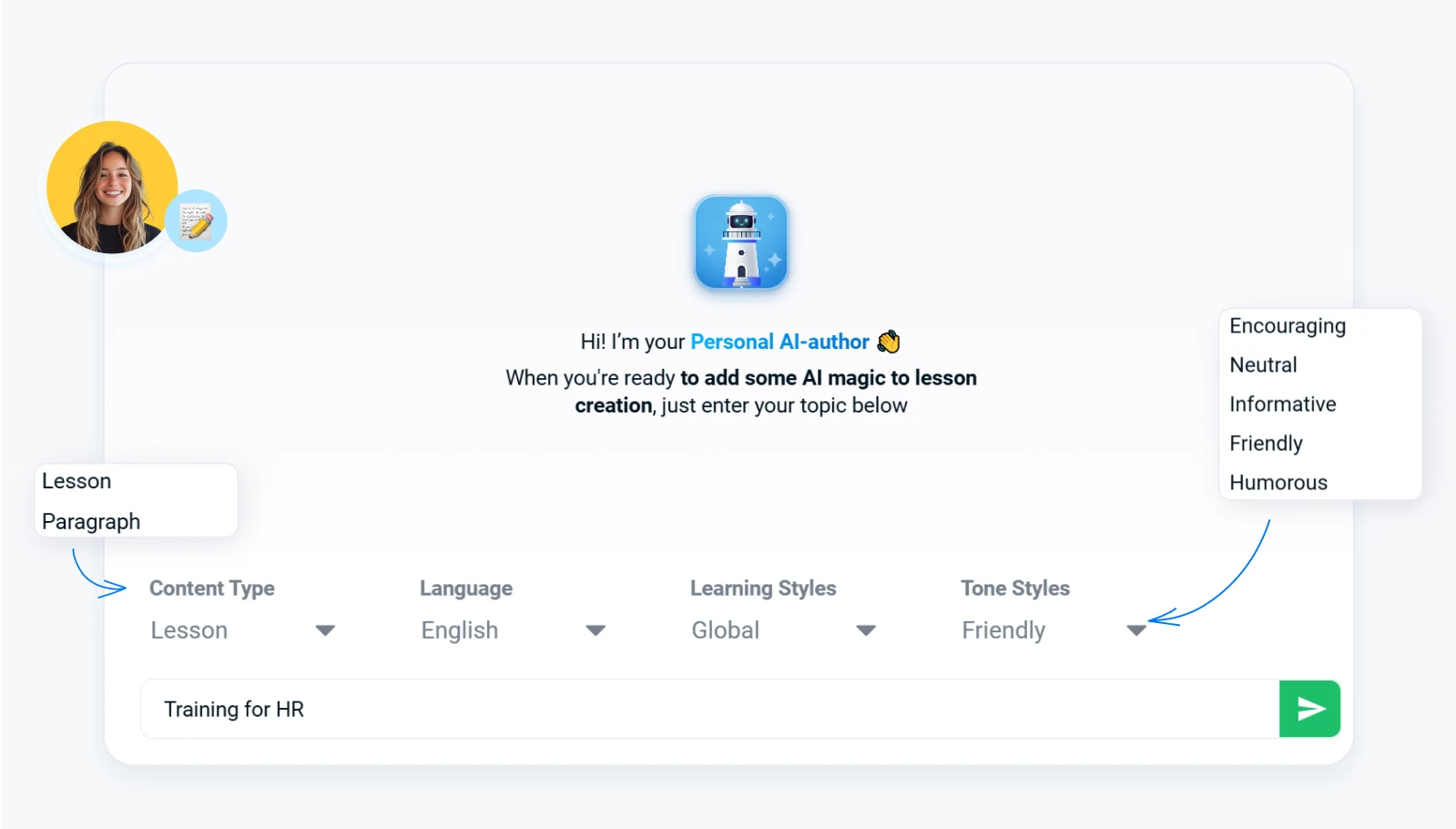
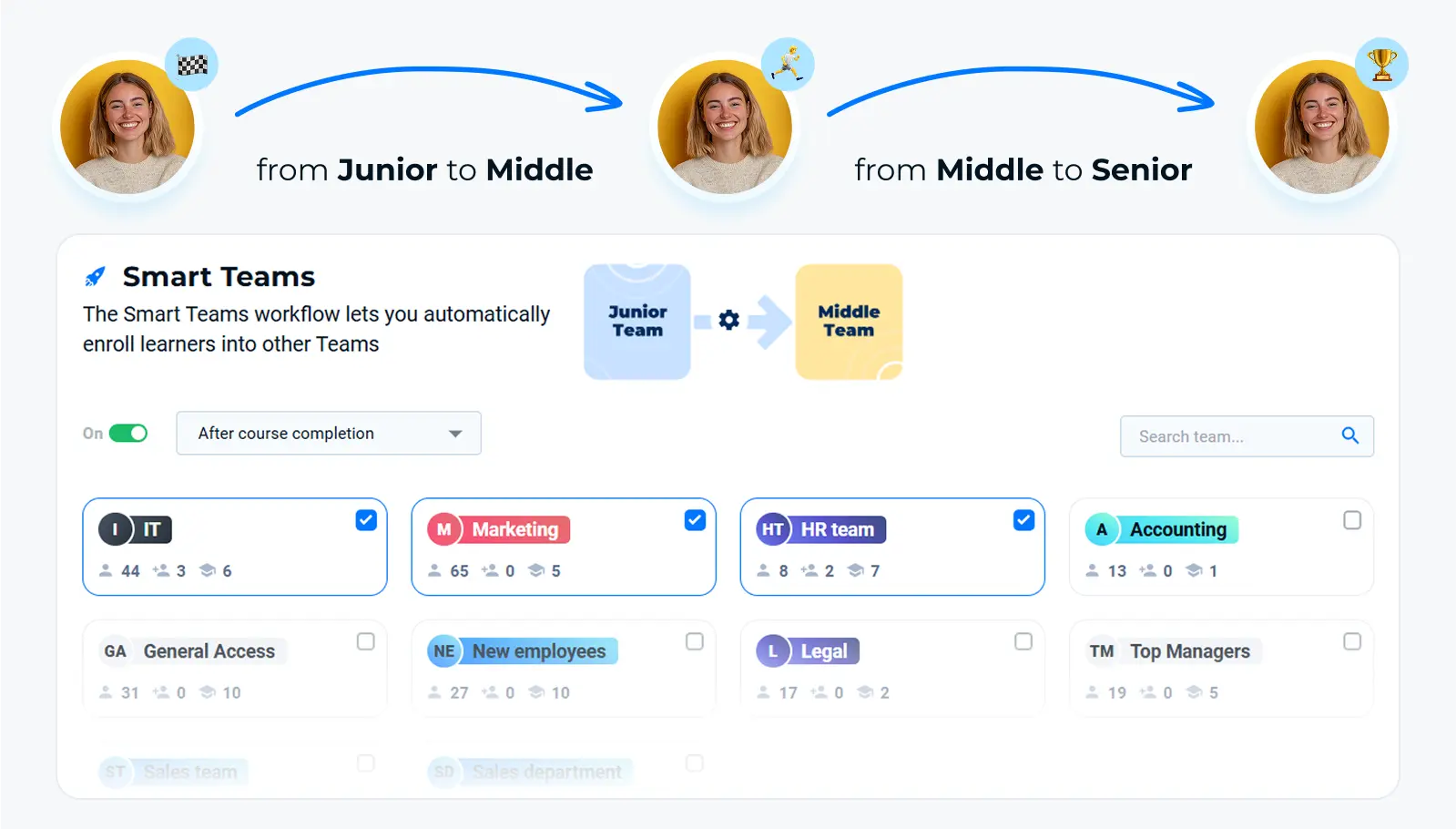
Courses are assigned automatically based on role or position.
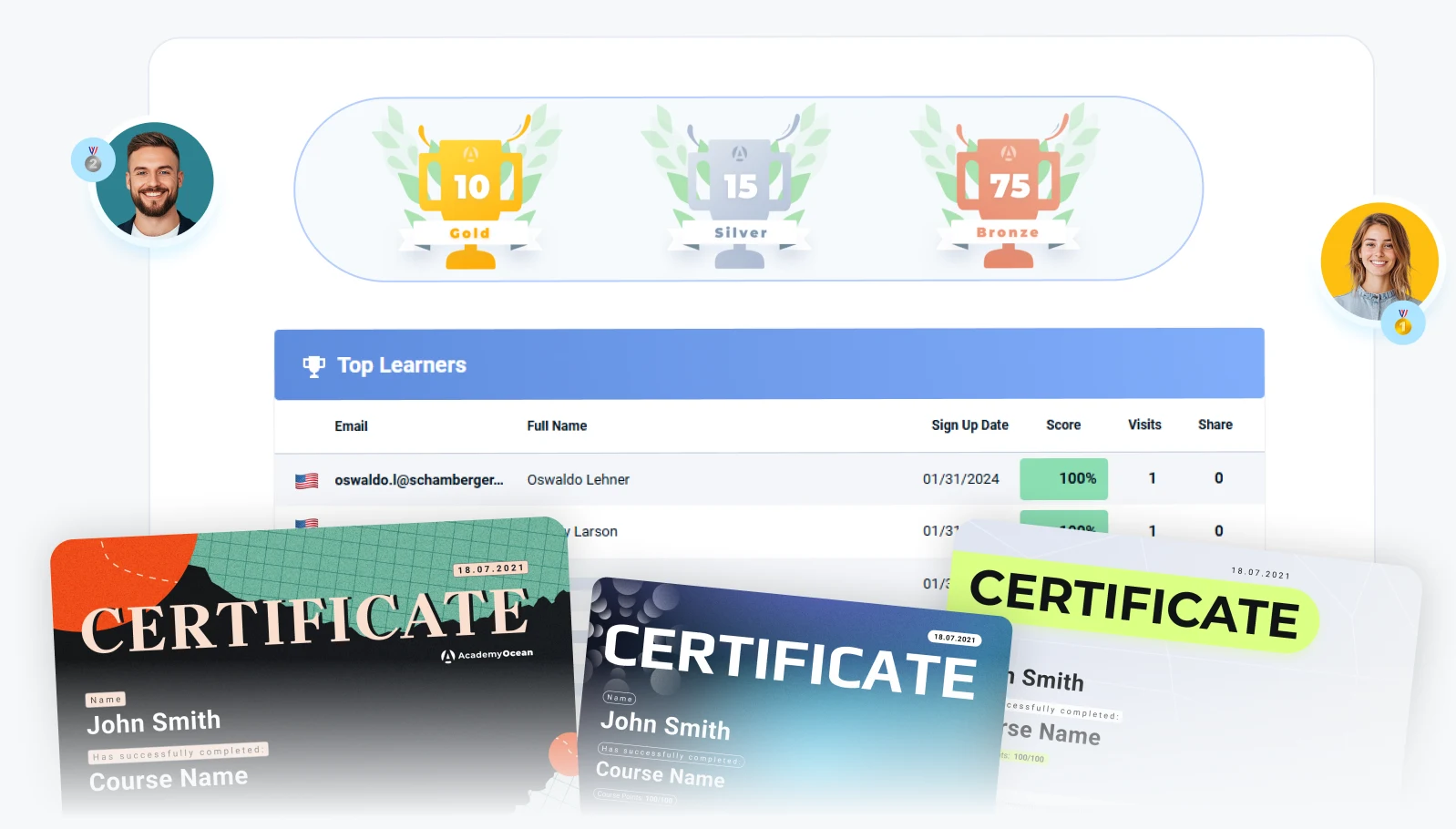
Certificates, rankings, and rewards increase motivation to learn.
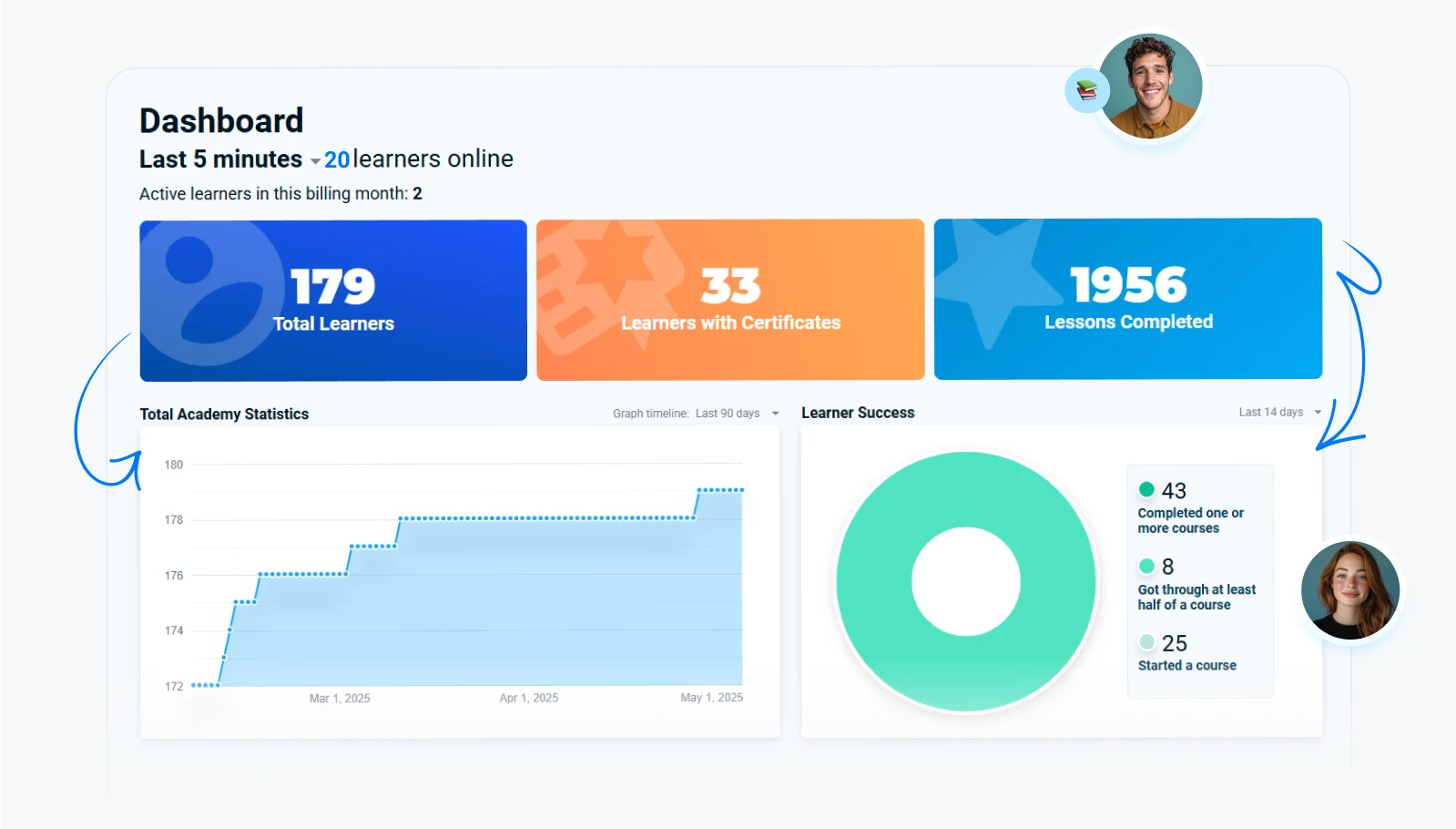
Dashboards show employee progress and course effectiveness.
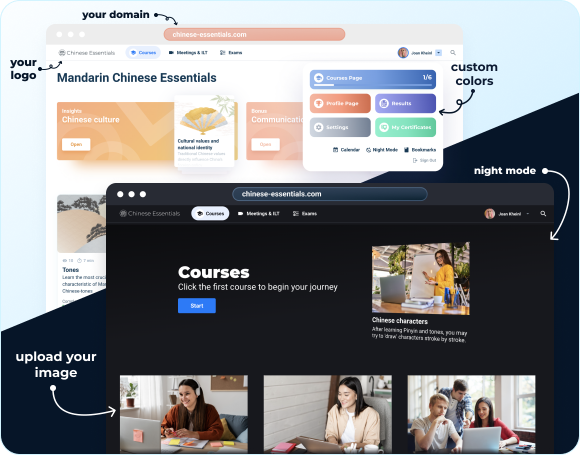
Ability to create a branded academy for employees or clients.
To understand the differences between platforms, compare them by key parameters.
| Feature | AcademyOcean | TalentLMS | Moodle | Docebo |
|---|---|---|---|---|
| Creating content with AI | ✅ | ❌ | ❌ | Partially |
| Ease of implementation | ⭐⭐⭐⭐⭐ | ⭐⭐⭐⭐ | ⭐⭐ | ⭐⭐⭐ |
| SCORM | ✅ | ✅ | ✅ | ✅ |
| Gamification | ✅ | ✅ | Plugin required | ✅ |
| White-label | ✅ | ✅ | Partially | ✅ |
| AI analytics | ✅ | ❌ | ❌ | Partially |
The cost of an LMS is not just a monthly or annual subscription. The real implementation cost often depends on how much time and internal resources your company needs to launch the system.
First of all, evaluate time-to-launch. In some platforms, creating the first course can take days or even weeks, especially if the system requires a complex setup.
Another important factor is the admin experience. If the interface is complicated, the HR team will need to spend additional time learning and managing the platform.
In some LMS platforms, implementation can take weeks or even months. In modern SaaS platforms, this process is much faster. For example, in AcademyOcean, you can create your first course on the day of registration, even without technical experience.
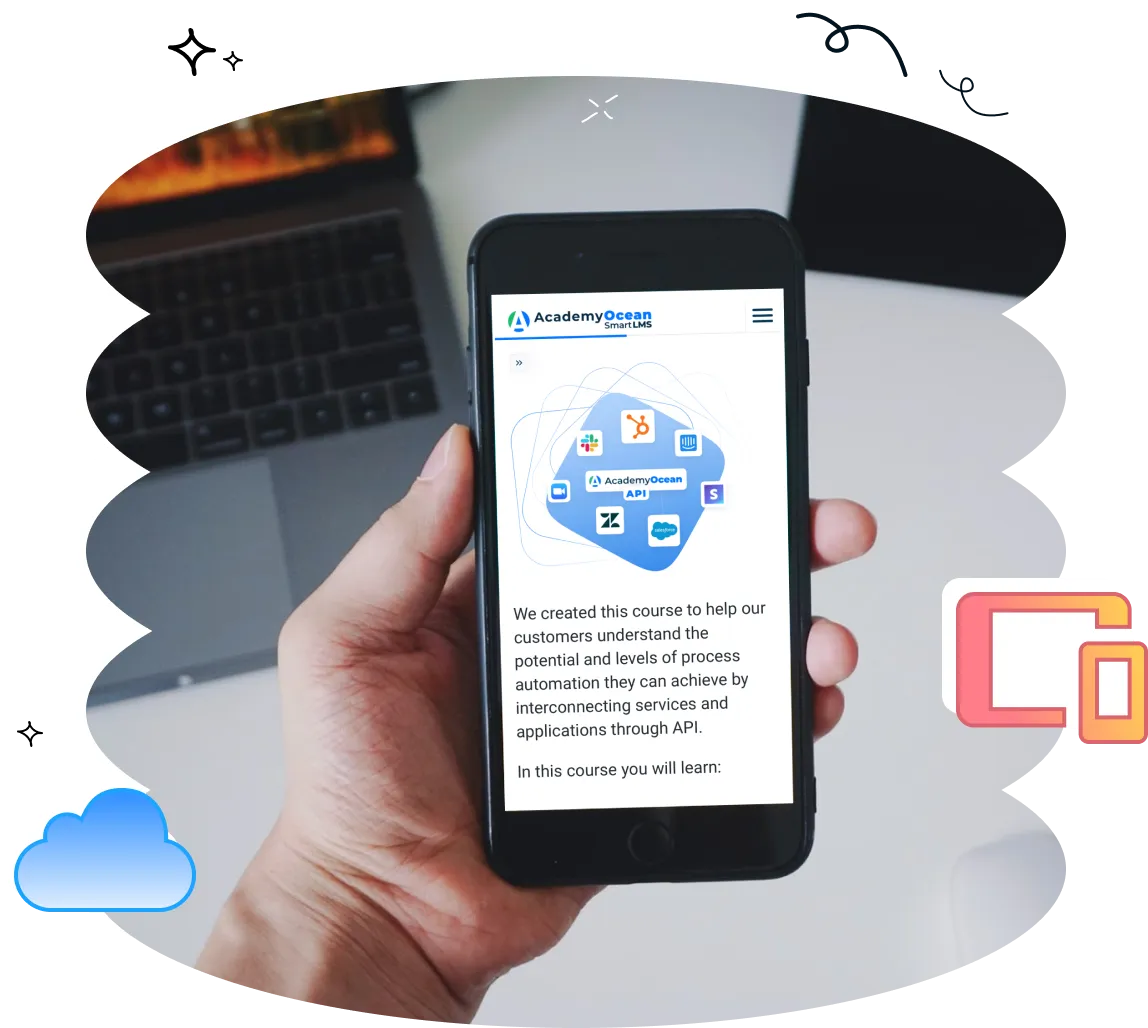
No comparison table gives a complete understanding of how the system works in practice. The best way to evaluate an LMS is to test it in a real training scenario within your company. During testing, pay attention to practical aspects: how easy it is to create your first course, whether analytics are clear for HR without technical experience, how convenient it is to learn from mobile devices, and how quickly support responds.
Such a short test often provides more answers than any feature description. It helps you understand whether the LMS fits your training process and whether your team will actually use it daily.
One of the main advantages of an LMS is training automation. The system can automatically assign courses based on employee roles, track progress, and generate reports for HR. This significantly reduces manual work and ensures a consistent training standard across the company.
AcademyOcean AI-LMS allows centralized training management across different cities or countries. Courses, training programs, and standards can be created once and assigned to employees across all locations. This is especially important for retail, service networks, and companies with many locations.
AcademyOcean provides dashboards and reports that show each employee’s progress, test results, and training effectiveness. This helps quickly identify knowledge gaps and improve training based on real data.
Many companies use LMS to create their own academies for clients or partners. A branded learning platform helps train users, run certifications, and build long-term relationships.
Yes, the platform complies with GDPR requirements and ensures the protection of employee personal data.
We use modern access control mechanisms and support two-factor authentication (2FA) via Google Authenticator, which provides additional protection against unauthorized access.